How to Sell Pottery Online
Selling pottery online is very doable, but it comes with two questions no generic advice answers well: where to sell, and how to handle the parts that are specific to ceramics, like pricing fired work and shipping something breakable. This guide covers both.
Where to sell pottery online
There are four broad options, and most potters end up using more than one.
- Handmade marketplaces. The audience is already there looking for handmade. Verra is handmade-only, bans AI listings, and is built around a social feed, so a potter can show the studio and the process while they sell. Etsy is larger but mixes handmade with mass-produced and AI goods. Amazon Handmade has the most reach and the highest fees.
- Your own store. Shopify or Big Cartel give full control, but no built-in audience, so you bring all the traffic yourself.
- Social platforms. Instagram and TikTok are good for reach, but the audience is broad and low-intent, and selling usually happens elsewhere.
- In person. Markets and fairs still move a lot of pottery, and pair well with an online shop people can return to.
For a full breakdown, see the best Etsy alternatives. For selling handmade specifically, Verra is built for it.
How to sell pottery online
Price it well
Cost is your floor, not your price. Start by covering materials, a share of firing and studio overhead, and your time at an honest hourly rate. Fired ceramics also carry losses that are easy to forget, kiln electricity and wear, and the pieces lost to cracks and glaze faults, so price so those are covered across the work that survives. That total is the least you can charge without losing money.
What the piece actually sells for is set by the market. Look at what comparable handmade pottery goes for, similar size, quality, and maker reputation, on Verra and elsewhere. Pricing well below comparable work signals lower quality, and pricing above it needs a clear reason: better glaze work, a known name, a stronger story. Position on purpose.
Then price to value, not just cost. A one-of-a-kind piece with a strong story and good photos can command far more than materials-plus-time would suggest, because handmade buyers are paying for originality and the maker. Do not race to the bottom, since competing on price is a losing game for handmade. Compete on quality, story, and presentation instead. Start a little high and adjust, because it is easier to lower a price than raise one. For the full fee math on Verra, see Pricing Your Work.
Photograph the work
Photography deserves a guide of its own, but the essentials for pottery come down to two kinds of shots, and you want both.
Product shots. Clean, well-lit, neutral background, the piece shown clearly from several angles. This is the ecommerce shot that shows exactly what the buyer gets: the form, the true glaze color, the inside, the foot, the maker's mark.
Lifestyle shots. The piece in real use. A mug with morning coffee, a bowl on a set dinner table, a vase with flowers on a shelf. Lifestyle shots connect the piece to the life it is for, and that is often what turns a browser into a buyer. It is the difference between showing a bowl and showing someone's dinner.
Then the basics: shoot in soft natural light near a window, correct your white balance so the glaze color reads true, and include something for scale.
Ship it so it survives
This is the part that stops potters from selling online, and the part most guides skip. Ceramics break in transit when they are underpacked or when they can shift. Pack for a dropped box, because boxes get dropped.
- Wrap each piece individually in several layers of bubble wrap, taped closed so it cannot unwrap.
- Fill every hollow. Pack the inside of cups, bowls, and vases with paper or bubble wrap so the walls are supported.
- Double-box. Put the wrapped piece in a snug inner box, then place that box inside a larger one with two to three inches of cushioning on every side. The inner box should not touch the outer walls.
- Immobilize. When you are done, nothing should move when you shake the box. Movement is what breaks pottery.
- Wrap sets piece by piece, never stacked touching, and add dividers between them.
- Label fragile, and insure anything of value. Insurance does not prevent breaks, but it protects the sale.
More on materials and carriers in Packing and Shipping.
Write the listing
Give buyers what they need to trust a handmade piece: dimensions, the clay body and glaze, firing temperature, and care notes (dishwasher and microwave safe or not, food safe or decorative). Then tell the short story of the piece. For handmade pottery, the maker and the making are part of what the buyer is paying for.
Real pottery on Verra
Not stock photos. These are live pieces from potters on the platform right now.
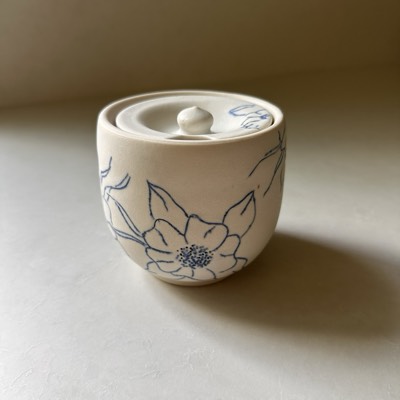
Porcelain Honey Pot
$77
Michi Pottery · Durango CO
Lidded, with a wooden swirler and inlaid columbine underglaze.
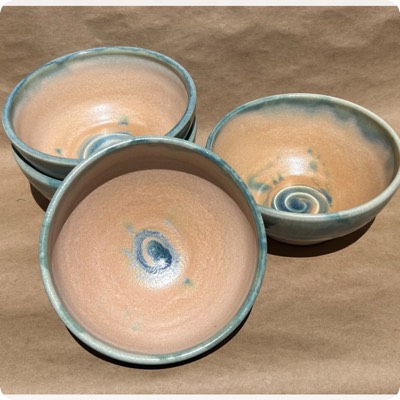
Easter impressions bowl set (4)
$198
Forming Culture · Durango CO
White stoneware, layered glazes, fired to cone six.
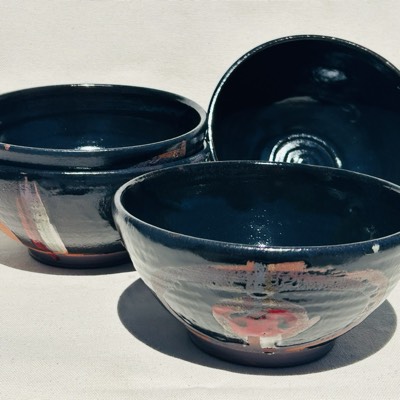
Black Salad/Dinner Bowl Set (4)
$198
Forming Culture · Durango CO
Cone six, glazed with washes and low-fire accents.
From $38.50 to $198, all thrown and glazed by hand.
Why potters choose Verra
Handmade only. No AI listings, no mass-produced goods sharing your search results.
Show the studio. Verra is built around a social feed, so potters can post throwing, glazing, and kiln openings. Process is proof, and it is what sells handmade ceramics.
Buyers came for handmade. People are on Verra for real work, not comparison-shopping your bowl against a factory one.
Lower fees. Free listings, 5% per sale plus payment processing, and no mandatory ad fees.
Common questions
Where is the best place to sell pottery online?
It depends on the goal. For selling handmade to buyers who came for it, a handmade-only marketplace like Verra fits best. For raw reach, Amazon Handmade is largest. Many potters use a marketplace plus their own social following.
How do I price handmade pottery?
Start with your costs, materials, a share of firing and studio overhead, and your time, to find your floor. Then check that against what comparable pottery sells for and price to the value of the work, not just its cost. Do not undercut to compete, since handmade sells on quality and story.
How do I ship pottery without it breaking?
Wrap each piece individually, fill every hollow, and double-box with two to three inches of cushioning on all sides so nothing shifts. Pack as if the box will be dropped, because it will be handled roughly.
What does it cost to sell pottery on Verra?
Listings are free, and Verra takes 5% per sale plus standard payment processing. There are no mandatory ad fees.
Bottom line
Selling pottery online comes down to pricing it honestly, photographing the glaze well, packing it to survive shipping, and choosing a marketplace where handmade is the point. For that last part, Verra is built for exactly this work: real pottery, made by hand, shown to people who came for handmade.
Verra is the social marketplace for handmade goods.
Sell your work, follow the artists you like, and see what they are making. Get the app.

